Discovering Our Impact...

Farmers at the Centre

FARMER IMPACT Building a Nannari Value Chain from Chittoor to Global Families

ROOTARI’s Botanical Heritage Mission begins in Chittoor district, Andhra Pradesh, where farmers, cultivation knowledge, root quality, value addition and market development can be connected around Nannari. Our purpose is to help transform a native aromatic root from an underdeveloped crop opportunity into a responsible value chain that creates stronger choices for farmers, useful products for consumers and a distinct botanical identity for the district.

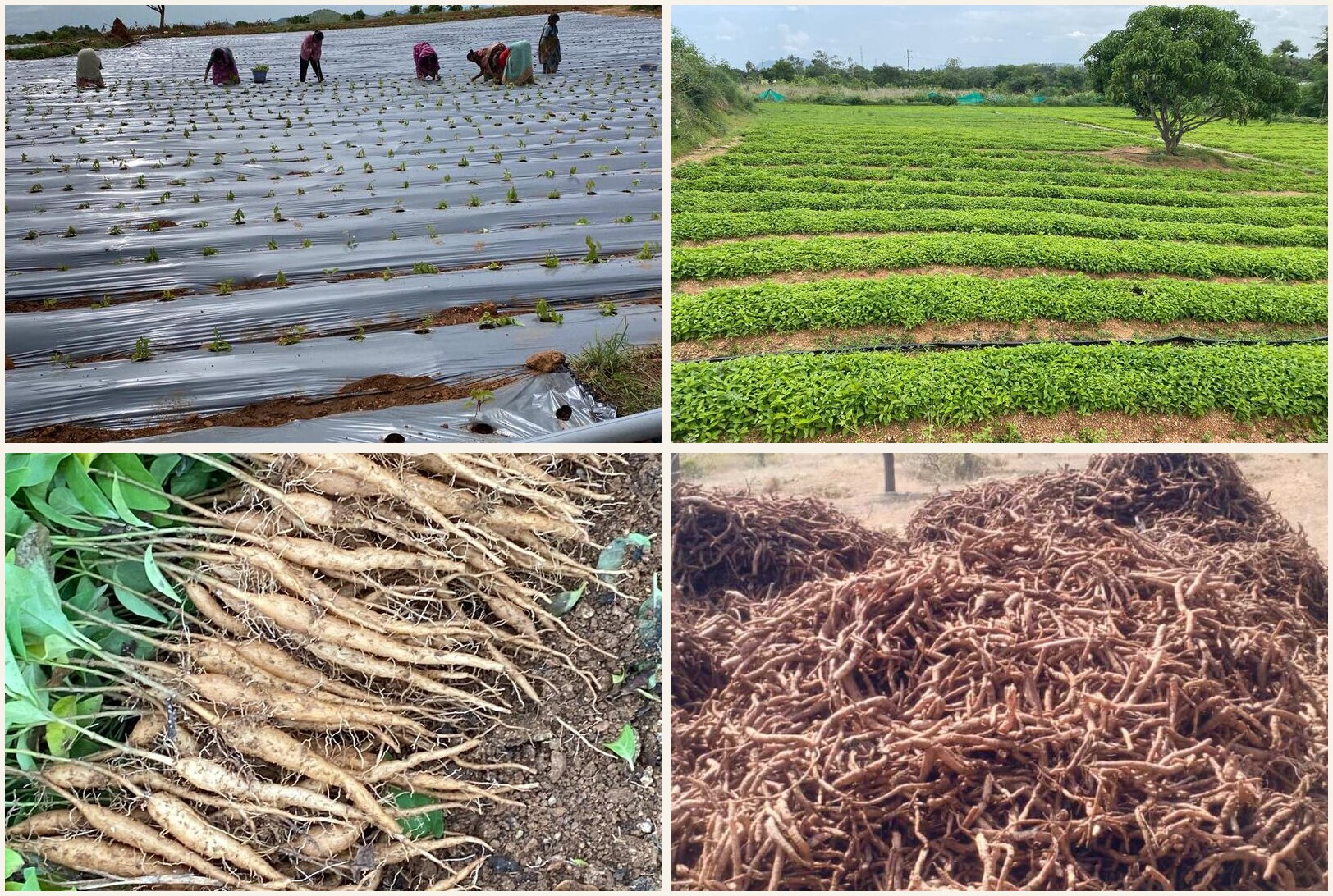
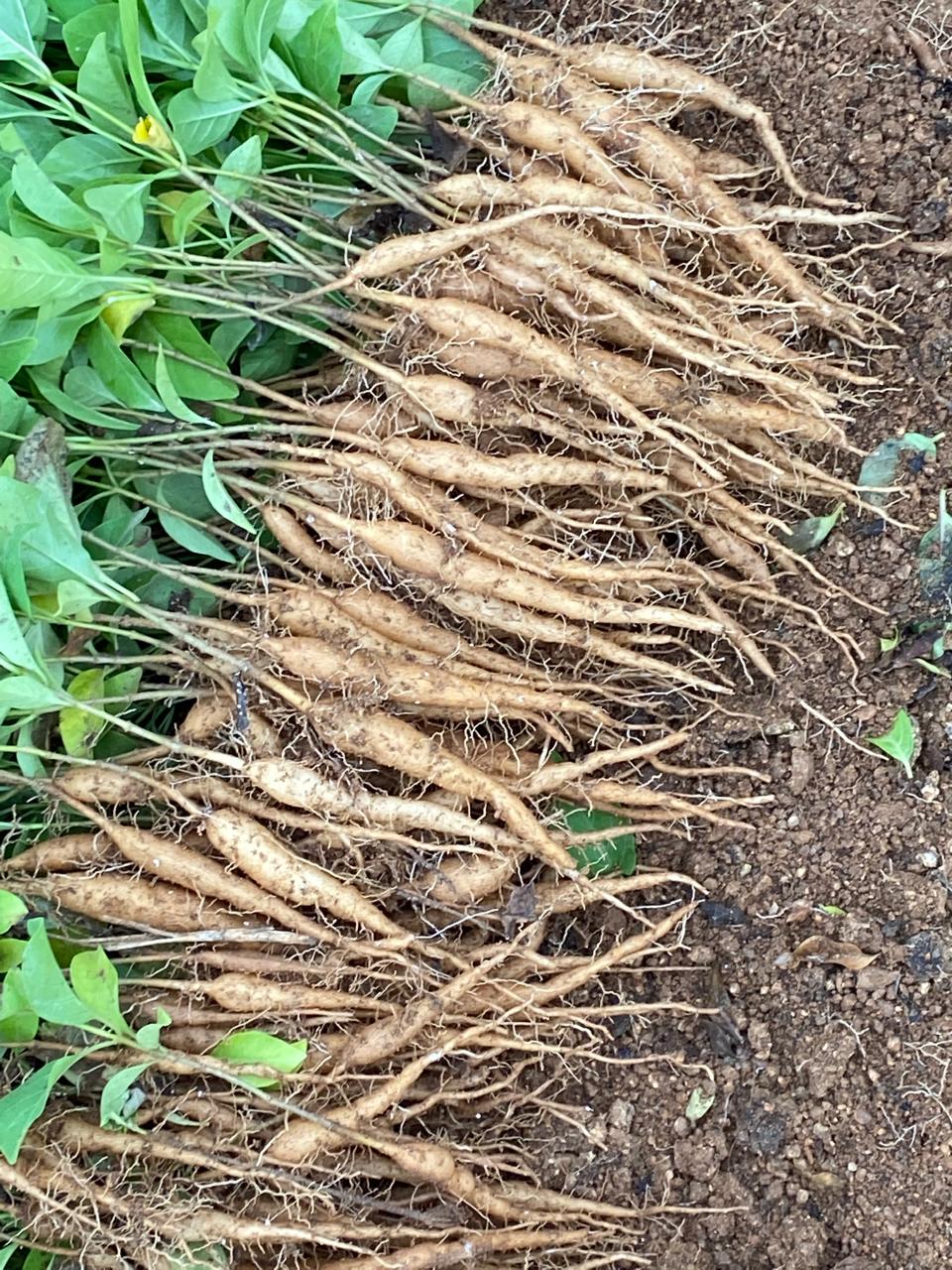
Four-stage collage showing field planting, a Nannari nursery, rooted saplings and harvested Nannari roots in Chittoor district
ROOTARI’s Nannari journey in Chittoor: field planting, nursery development, rooted saplings and harvested roots.

Key Outcomes for Farmers and Chittoor District

Farmer impact cannot come from cultivation alone. It requires quality planting material, practical field knowledge, responsible harvesting, local processing, diverse products and real market demand. ROOTARI is working toward these connected outcomes so that more value can remain with farming communities and within the district.

Stronger Income Opportunities

Developing market-linked crop and value-addition opportunities that can diversify farm income as demand and the ecosystem grow.

More Viable Rural Livelihoods

Creating reasons for cultivation, skills and enterprise to grow closer to farmers’ homes and communities.

Work Beyond the Harvest

Extending opportunity into nursery activity, field support, cleaning, grading, processing, packaging and local services.

Women's Empowerment

Supporting future participation in nurseries, primary processing, packaging, quality work, SHGs and rural enterprises.

Stronger Rural Enterprises

Enabling FPOs, SHGs, nurseries, service providers and small businesses to participate across the Nannari value chain.

More Value Retained Locally

Moving from raw-root sales toward local handling, processing and product development so more economic activity can remain in the district.

A Distinct Botanical Identity

Building Chittoor’s potential to become recognised for cultivated Nannari, farmer-led value addition and responsible botanical enterprise.

What It Takes to Get There

A successful Nannari cluster needs more than encouraging farmers to plant. It requires coordinated capability from nursery to market: suitable planting material, location-specific cultivation guidance, water planning, aggregation, post-harvest protocols, testing, processing, finance and demand development. ROOTARI’s role is to help connect these elements through partnerships and phased execution.

Quality Planting Material

Developing reliable nurseries and correctly identified planting material suited to planned cultivation and traceable supply.

Water & Irrigation

Promoting water planning, conservation and appropriate irrigation practices based on local conditions and crop requirements.

Farm Roads & Connectivity

Improving the movement of planting material, field inputs and harvested roots between farms, collection points and processors.

Collection Centres

Planning aggregation points for weighing, lot identification, initial quality checks and organised movement of harvested roots.

Processing Units

Building local capability for cleaning, grading, drying, preparation and value addition so the district is not limited to raw-root trade.

Testing & Quality Labs

Connecting botanical identity, raw-material checks, process controls and product testing to support consistent, responsible quality.

Training & Capacity Building

Sharing practical knowledge on planting, field care, harvesting, post-harvest handling, documentation and changing market requirements.

Finance & Market Development

Working toward suitable institutional connections and demand-led market channels, supported by clear commercial arrangements.

The Farmer's Journey with Us

ROOTARI’s farmer journey is designed as a phased partnership rather than a one-time root purchase. Each stage builds the knowledge, quality discipline and market connection required for responsible scale. Participation and commercial arrangements depend on location, crop suitability, quality requirements and verified demand.

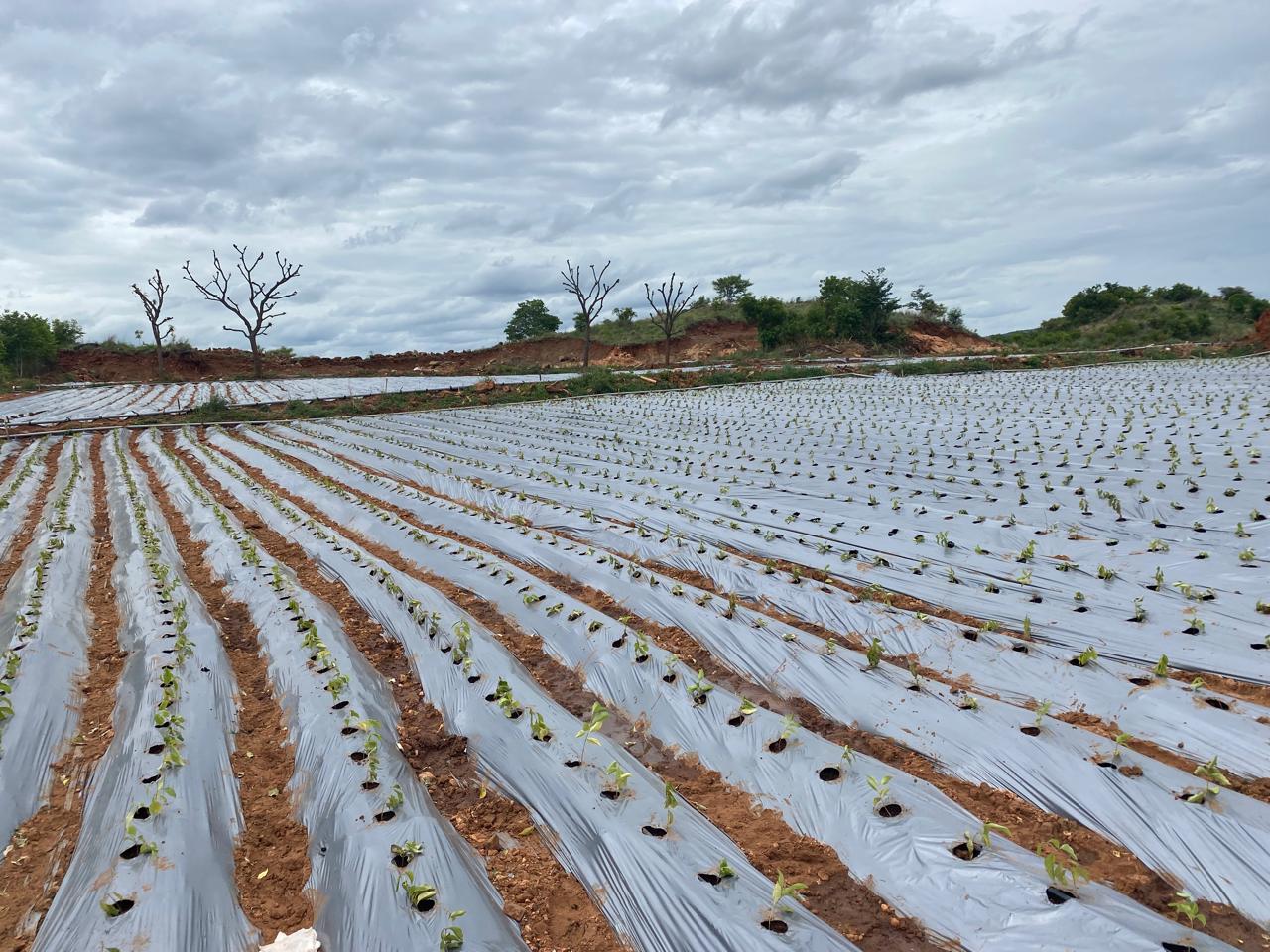
Prepared agricultural field with planting rows for Nannari cultivation
Field preparation and planned cultivation
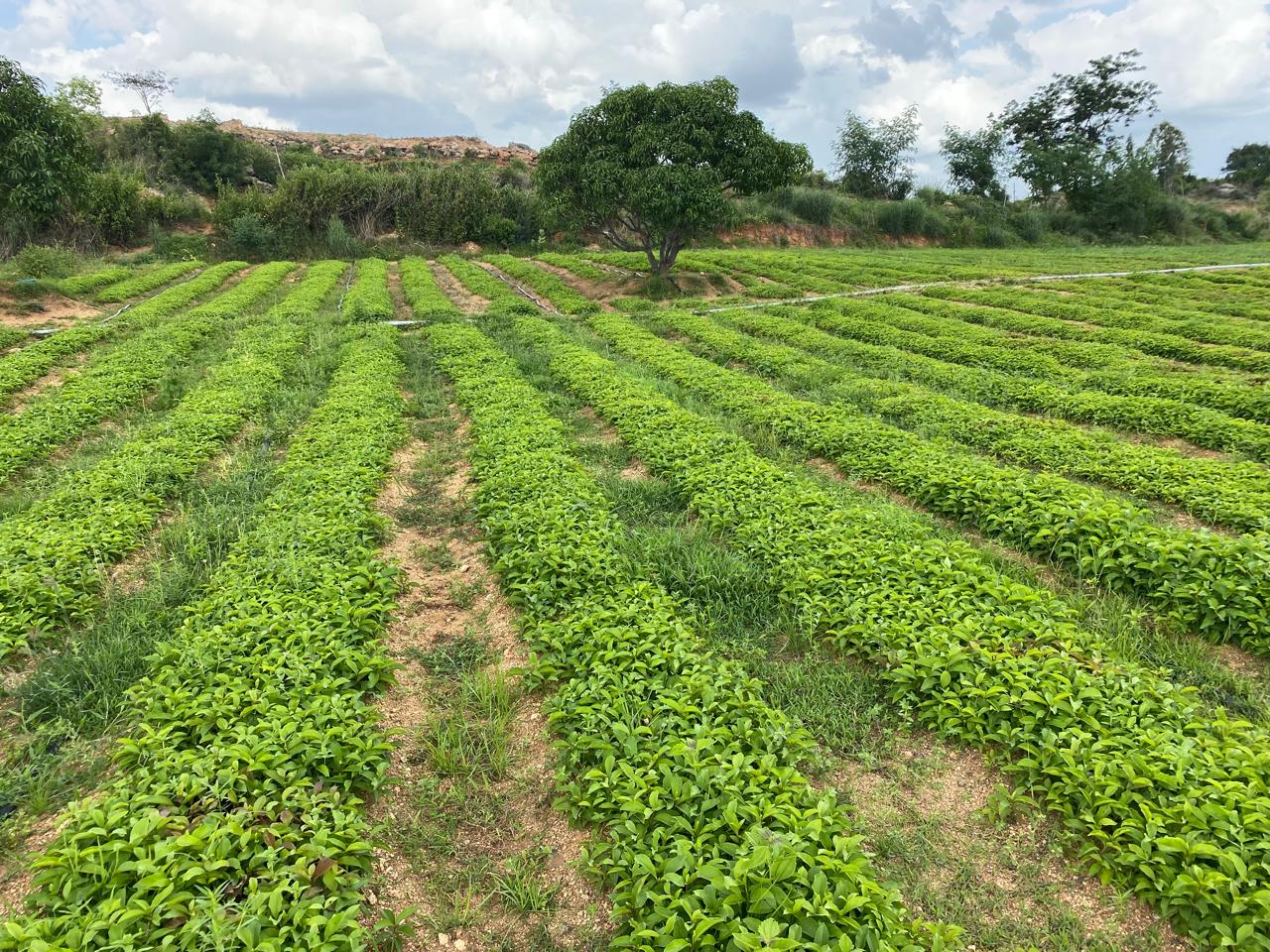
Established green Nannari plants growing in cultivated rows
Nannari nursery and sapling development
Rooted Nannari saplings prepared as planting material
Rooted Nannari saplings for planting
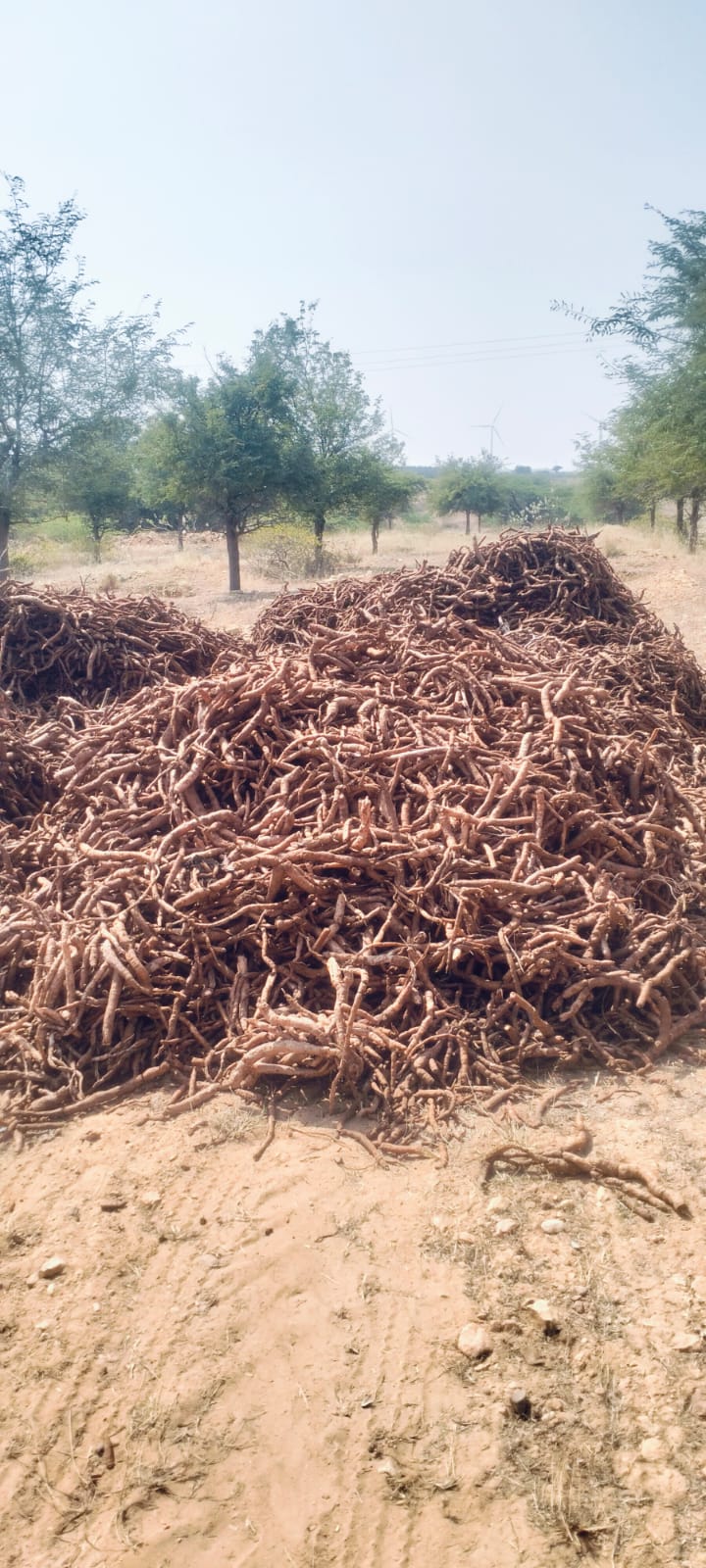
Large quantities of harvested Nannari roots gathered in the field
Nannari root harvest
Foundation

Identify suitable locations and farmers, establish demonstration learning, strengthen planting material and document cultivation practices.

Expansion

Develop nurseries, farmer clusters and aggregation practices while improving root quality, traceability and post-harvest handling.

Consolidation

Connect roots with extraction, product formats, quality systems, consumer education and domestic B2B and B2C market development.

Leadership

Build a recognised Chittoor Nannari ecosystem with responsible national and export pathways that can inform future botanical clusters.

A District Rooted in Tradition, Powered by Science

ROOTARI’s long-term ambition is to help Chittoor earn recognition as a Botanical Heritage District—known for connecting native plant knowledge with cultivated Nannari, farmer participation, science, value addition and responsible markets. This is an ecosystem goal that requires farmers, communities, researchers, institutions, government and businesses to work together across five pillars.

People

Farmers with stronger knowledge, wider livelihood choices and a meaningful voice in the value chain.

Planet

Cultivated native botanicals supported by responsible soil, water and biodiversity practices.

Prosperity

More value created through local skills, processing, products, enterprises and expanding markets.

Science

Botanical identification, cultivation learning, quality systems and responsible research communication.

Heritage Identity

A credible Chittoor identity that carries its farmers, native roots and value-added products to global families.

Explore ROOTARI’s approach to cultivated Nannari roots and organic farming practices.

Frequently Asked Questions

Nannari Farmers, Cultivation and Value-Chain Impact

Clear answers for farmers, consumers, institutions and businesses interested in ROOTARI’s cultivated Nannari mission.

What is ROOTARI’s farmer-impact mission?

ROOTARI aims to build a connected value chain for cultivated Nannari roots, beginning in Chittoor district. The mission links farmer participation, planting material, cultivation knowledge, responsible harvesting, root quality, local value addition, consumer education and market development so that the crop can create value beyond the farm gate.

Why does ROOTARI promote cultivated Nannari roots?

Cultivation can create a more planned and traceable root supply while reducing dependence on uncertain collection from natural habitats. It also allows farmers and ROOTARI to learn systematically about planting, field care, maturity, harvesting and post-harvest quality as the market for genuine root-based products develops.

Why does demand for original Nannari roots matter to farmers?

When syrups, concentrates, infusions, pickles and other products genuinely use Nannari-root material, product demand can create demand for the cultivated crop itself. ROOTARI therefore combines consumer education with product development—helping people understand why botanical identity, root extract and transparent labels matter.

How does ROOTARI support the Nannari farmer value chain?

ROOTARI is working across cultivation learning, root handling, extraction, product development, quality communication and market creation. This farm-to-product approach is intended to connect growers with multiple value stages instead of treating Nannari only as an unprocessed raw commodity.

How can value addition benefit Nannari-growing communities?

Cleaning, grading, drying, extraction, packaging and finished-product development can create skills and enterprise opportunities closer to cultivation areas. As the ecosystem grows, these activities can involve farmers, women’s groups, youth, FPOs, nurseries, local service providers and small businesses.

Does Nannari cultivation guarantee farmers a fixed income?

No crop can responsibly be presented as guaranteed income. Farm outcomes depend on land and water suitability, planting material, crop management, harvest quality, costs, market demand and agreed commercial terms. ROOTARI’s approach is to develop cultivation together with product demand and value addition rather than promote planting without a market pathway.

Does ROOTARI currently guarantee buy-back of every farmer’s crop?

ROOTARI does not make a universal buy-back promise through this website. Any procurement or cultivation arrangement must be discussed separately and confirmed through clear written terms covering variety or botanical identity, quality, quantity, timing, price basis and market requirements. This protects farmers and supports responsible growth.

Can any farmer start cultivating Nannari?

Interest alone is not enough to recommend cultivation. Location, soil, water, planting material, crop duration, labour, technical guidance and realistic demand should be assessed first. Farmers interested in working with ROOTARI should contact the team before making a large planting or financial decision.

What root-quality factors matter after harvest?

Botanical identity, maturity, cleanliness, aroma, physical condition, careful washing, preparation, drying where required, storage and lot traceability can all influence usability and value. Clear post-harvest practices help protect the natural root character and support consistent processing.

Does ROOTARI use organic farming practices for Nannari cultivation?

ROOTARI’s cultivation approach uses organic farming practices and promotes responsible soil and water care. The roots are not presently certified organic, so ROOTARI describes the cultivation method transparently rather than using certification language. Read about the cultivation approach.

Why is Chittoor important to ROOTARI’s Nannari mission?

Chittoor is where ROOTARI’s farmer-linked Nannari work began and where the long-term Botanical Heritage District vision is being developed. The district offers agricultural communities, regional knowledge and the opportunity to connect cultivation with nurseries, research, processing, entrepreneurship and a distinctive market identity.

What does “Botanical Heritage District” mean?

For ROOTARI, it is a long-term development vision—not an existing official designation. It describes a district recognised for responsibly cultivating native botanicals, strengthening farmer knowledge, applying science and quality systems, creating value-added products and connecting its heritage with national and global markets.

How can women and rural youth participate in the Nannari ecosystem?

As the value chain develops, participation can extend beyond cultivation into nurseries, documentation, aggregation, cleaning, grading, processing, packaging, quality activities, communication and local enterprise. ROOTARI’s broader vision is to create pathways for community participation as real operational and market needs emerge.

How can consumers support Nannari farmers?

Consumers can choose transparently labelled, root-based Nannari products and learn how genuine root use differs from a product identified only by colour or flavour. Every informed purchase helps strengthen market interest in cultivated roots, responsible processing and farmer-linked value addition.

How can B2B, HoReCa and export buyers create farmer impact?

Business buyers can help expand demand by developing repeat, specification-led requirements for Nannari roots, extracts and finished products. Clear forecasts, quality standards, pack needs, compliance requirements and commercial agreements allow cultivation and processing capacity to grow more responsibly. Explore ROOTARI business opportunities.

How can farmers or institutions connect with ROOTARI?

Farmers, FPOs, SHGs, researchers, government bodies, development organisations and responsible buyers can contact ROOTARI with their location, interest, expected scale and proposed role. The team can then assess whether the enquiry fits the current stage of cultivation, product development or market-building work. Contact ROOTARI.

ROOTARI’s impact statements describe an evolving mission and intended outcomes. Cultivation, procurement, partnership and commercial decisions require separate assessment and written agreement.